



The heart of ADI
Investigations
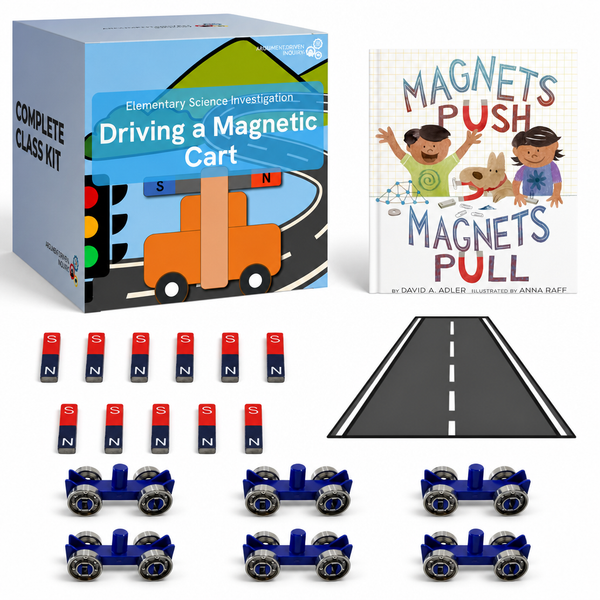
The core of Argument-Driven Inquiry. Students explore a real phenomenon, design and carry out an investigation, analyze data, and argue from evidence to build and defend an explanation. Built for grades K to 12 and available in NGSS and Texas TEKS editions.
NGSS & TEKS editionsHands-on kitsTeacher + student booksGrades K-12
Shop now
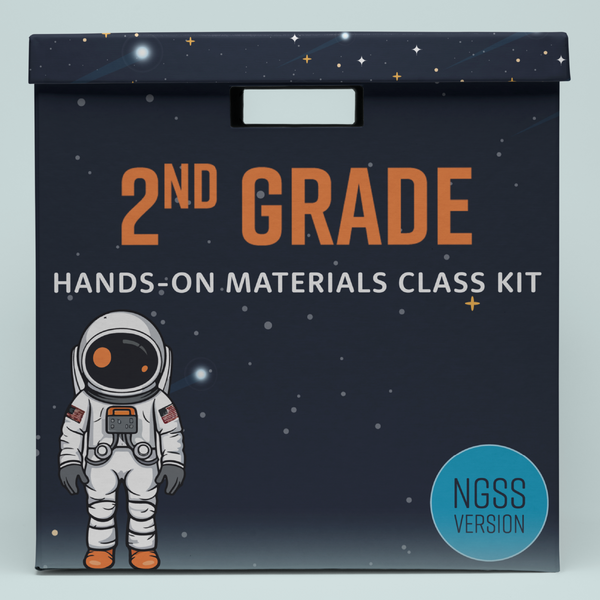
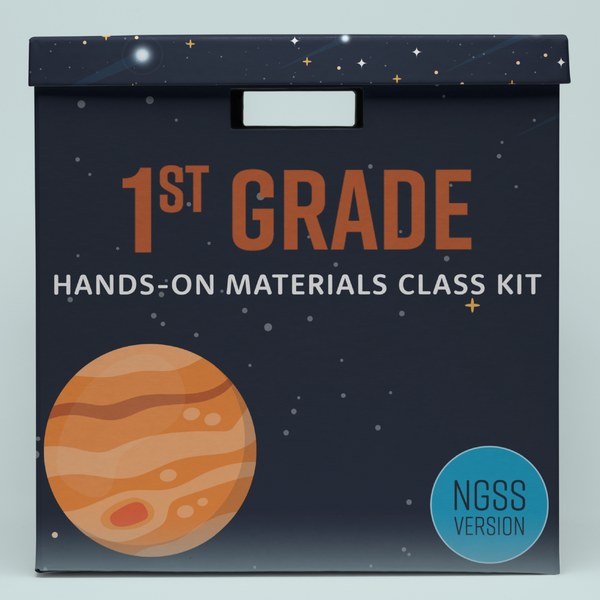
Shop investigations by grade band
Pick your grade band, or keep scrolling to see how an investigation works.


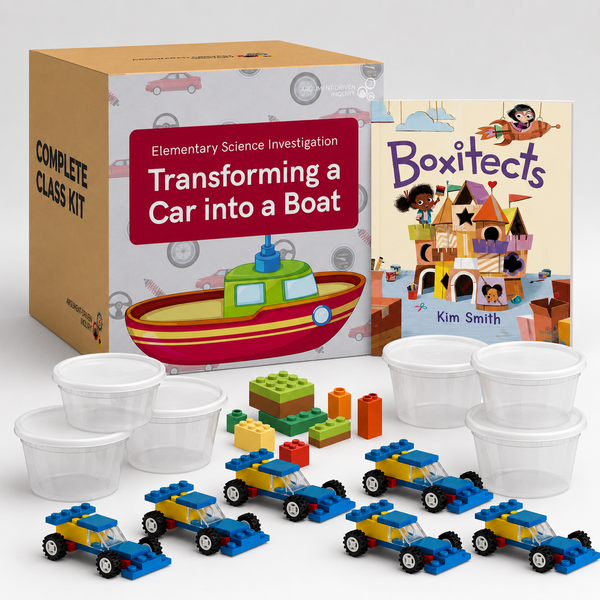
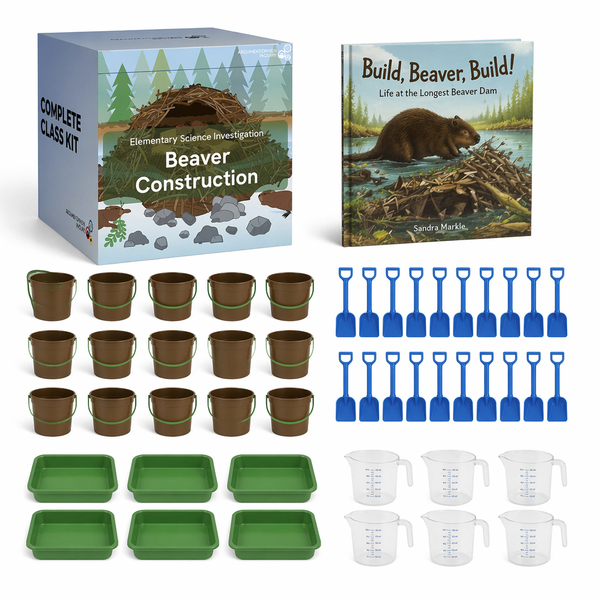
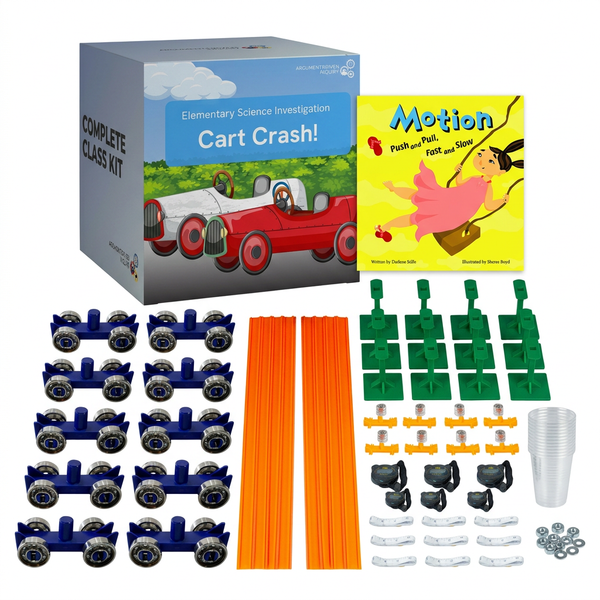
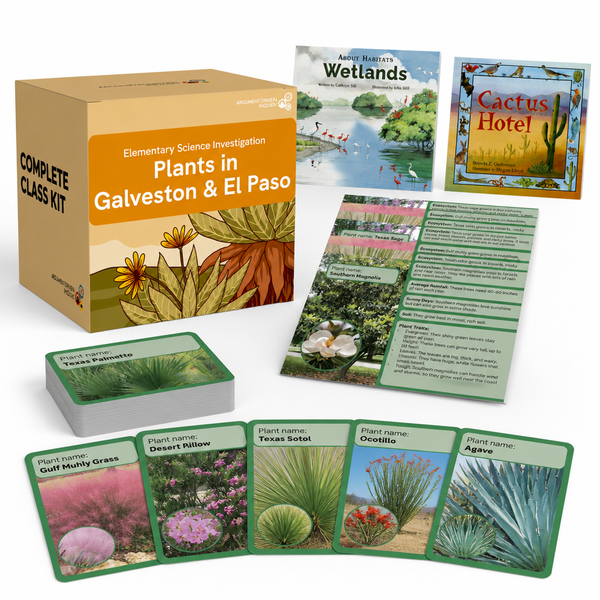













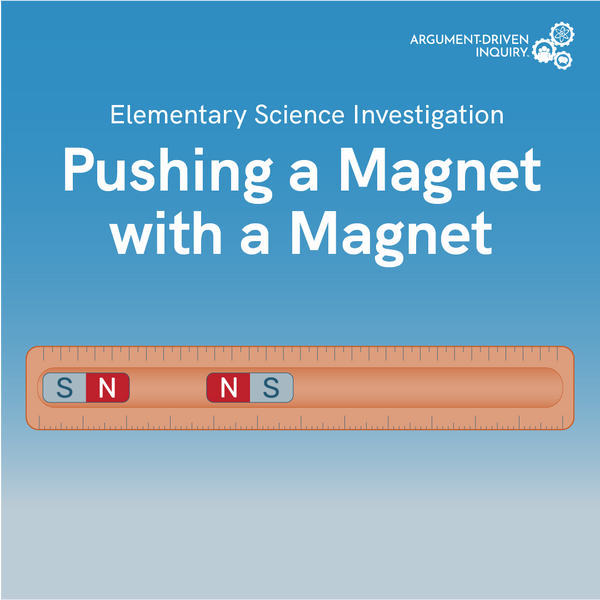



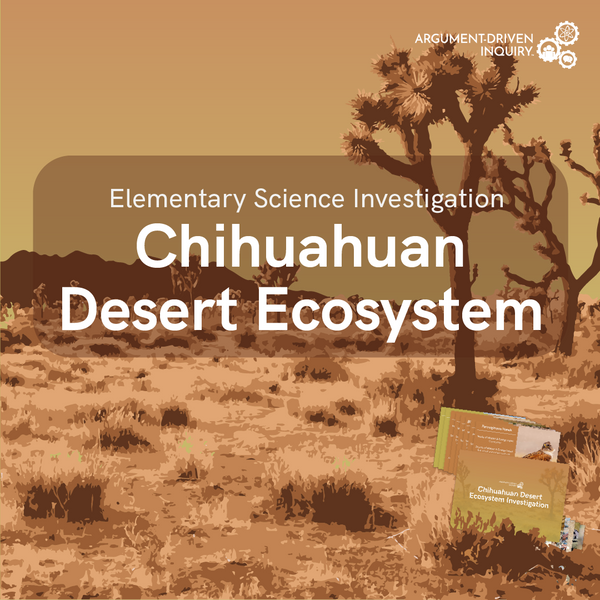

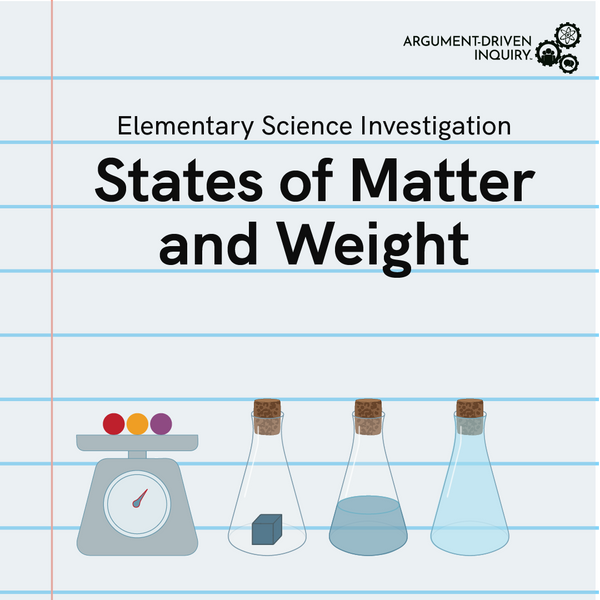
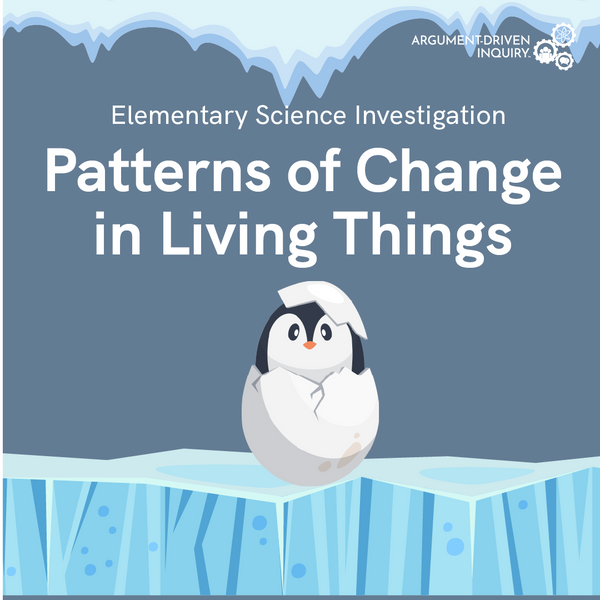

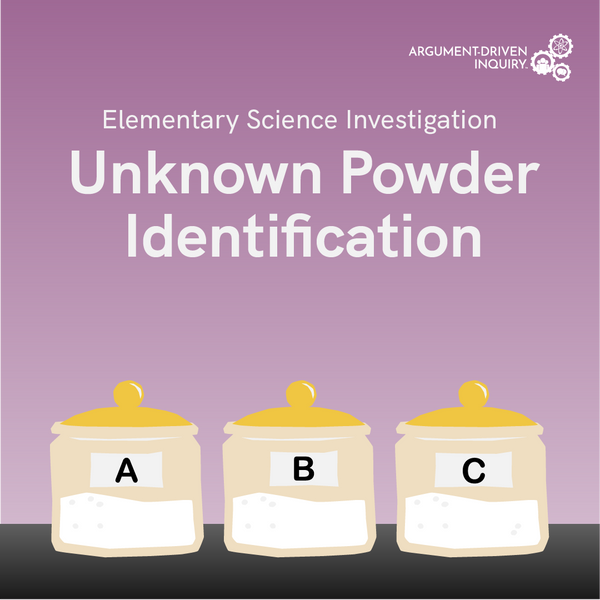
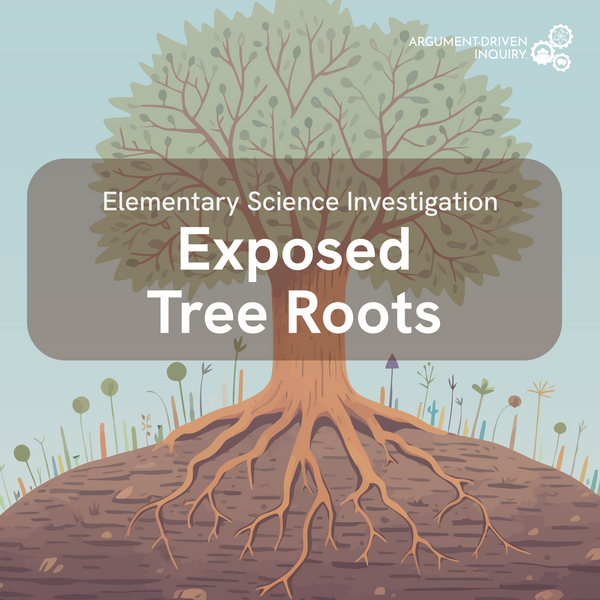



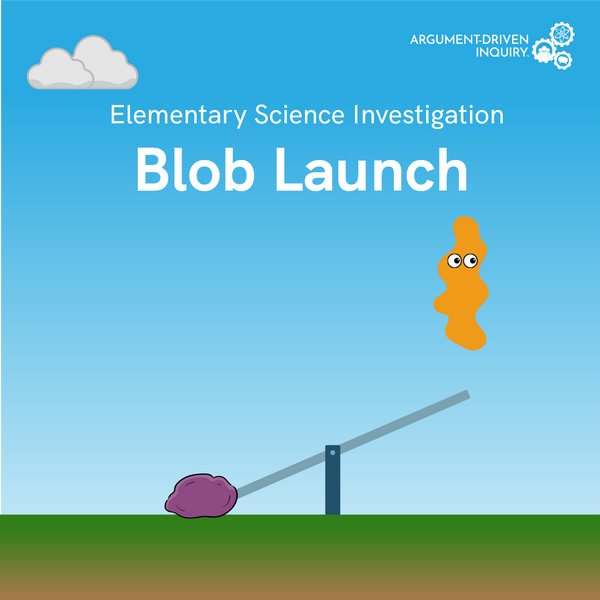




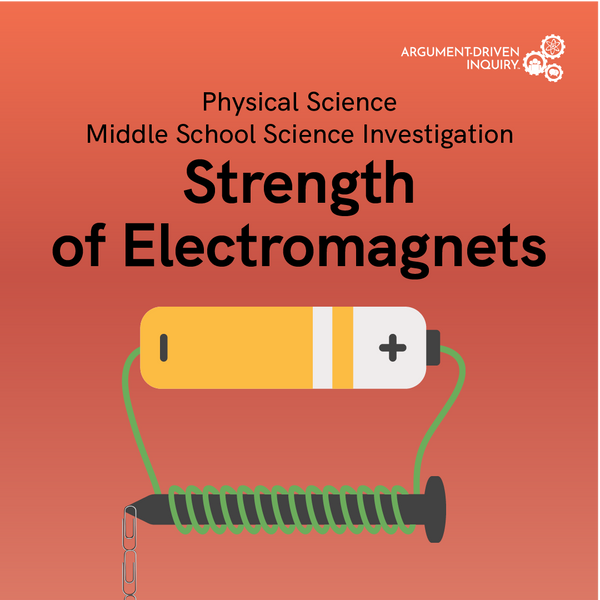

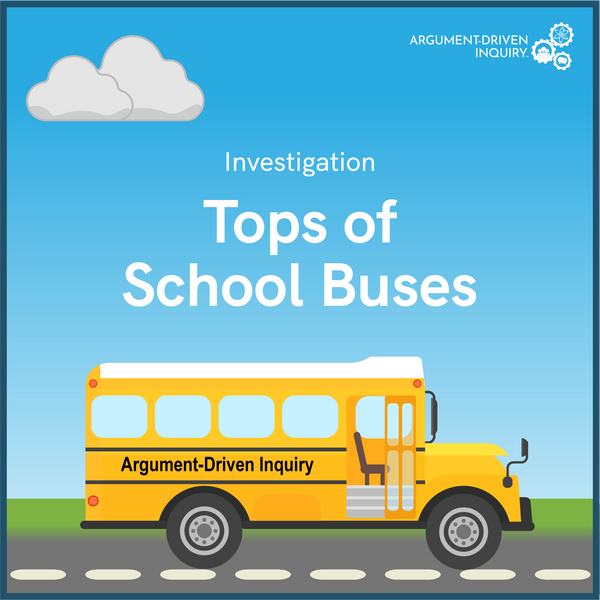



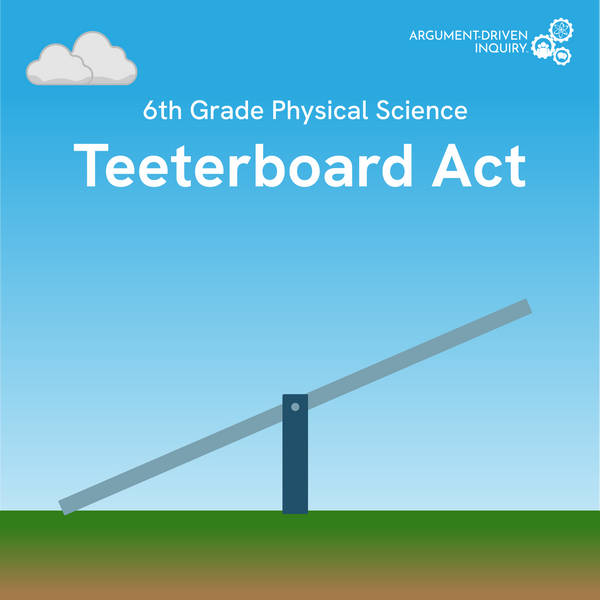






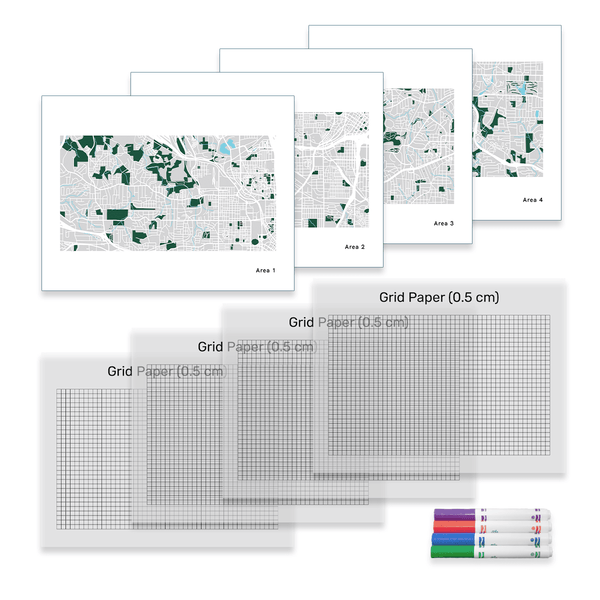

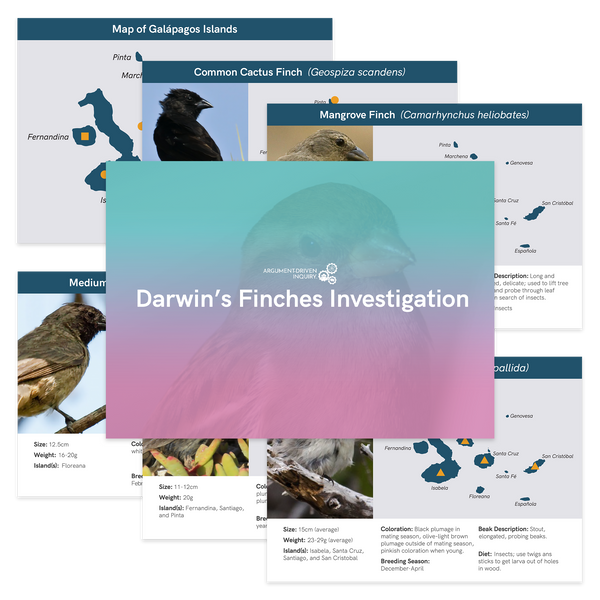

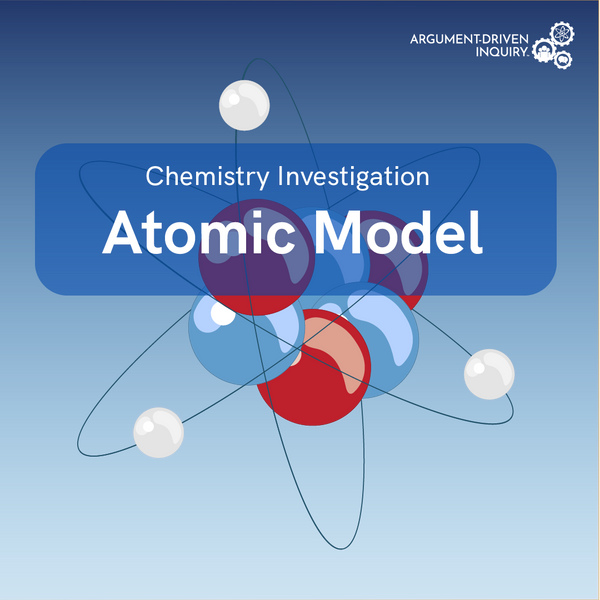
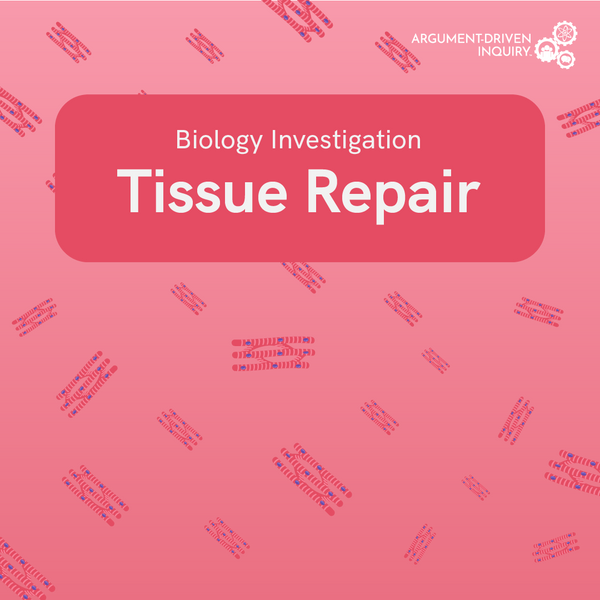













How an investigation works
The seven ADI stages
Every ADI investigation moves through the same seven stages, so students learn to plan, test, and argue from evidence the same way from kindergarten through high school.
1
Task
Meet the phenomenon
Explore a real phenomenon and the guiding question, and sketch an initial model.
2
Ideas
Gather key ideas
Read short texts on the science, concepts, and practices behind it.
3
Plan
Design the investigation
Tool talk, then teams plan their investigation and get peer feedback.
4
Do
Collect the data
Carry out the plan, collect and analyze data, and form a tentative answer.
5
Share
Argue from evidence
Draft an argument, defend it in an argumentation session, and revise.
6
Reflect
Reflect as a class
Discuss the core science, crosscutting concepts, and practices together.
7
Report
Write and review
Write it up, peer review with the ADI rubric, then revise and submit.
What's in every investigation
Everything you need to run the investigation, start to finish.
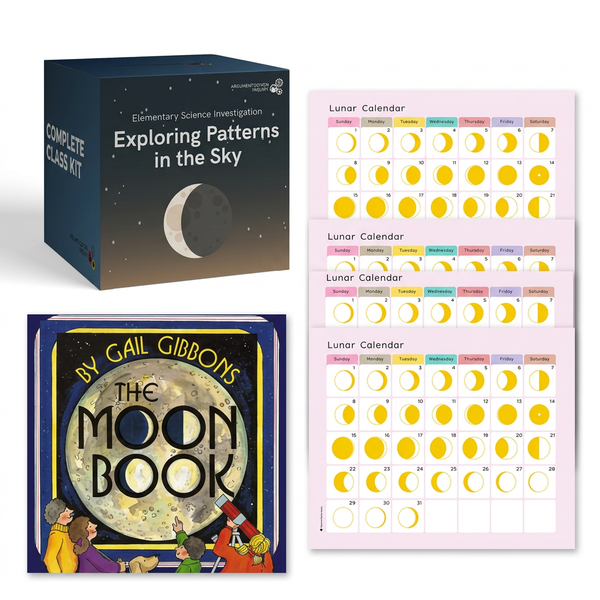
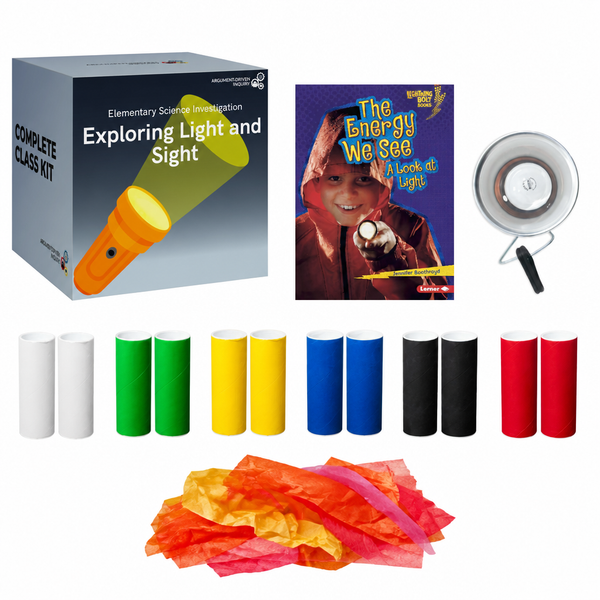
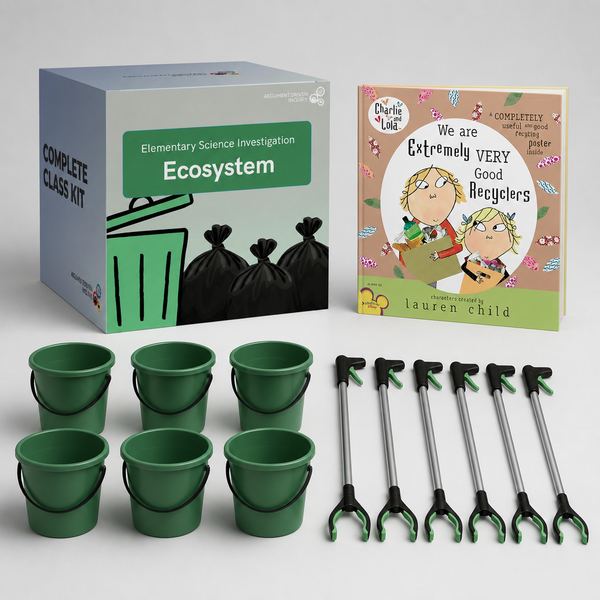
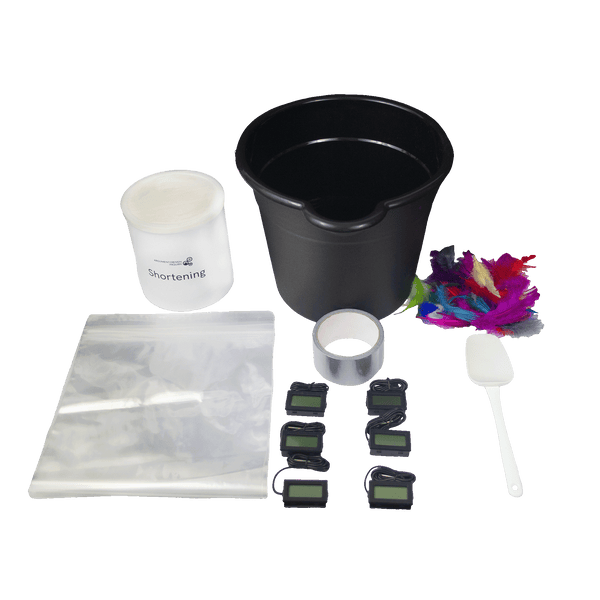
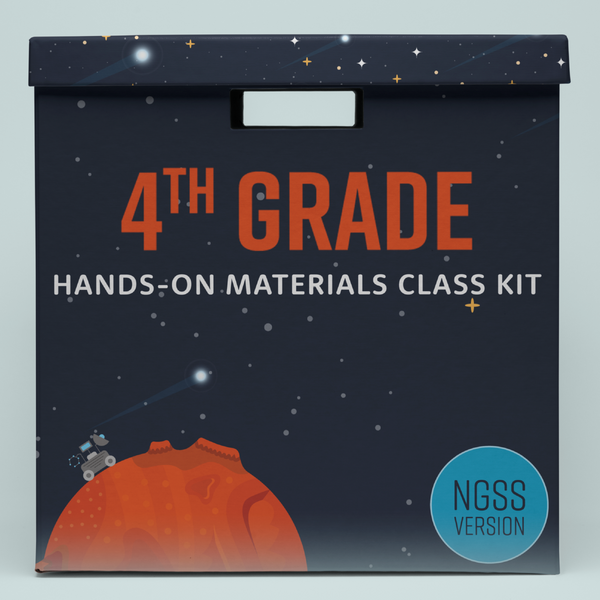
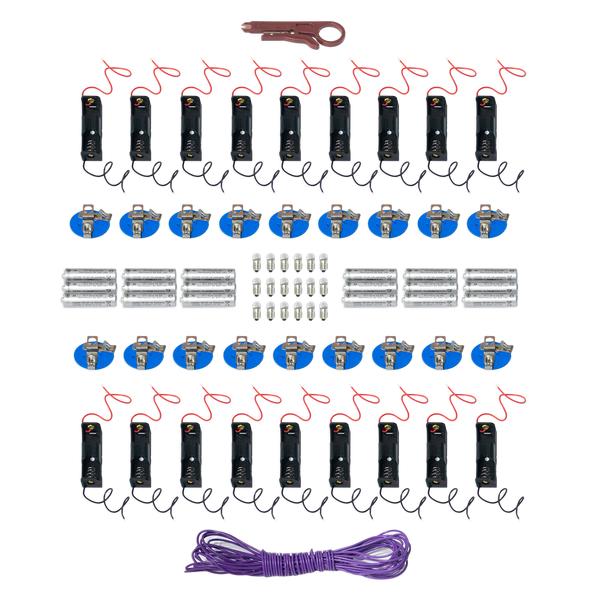
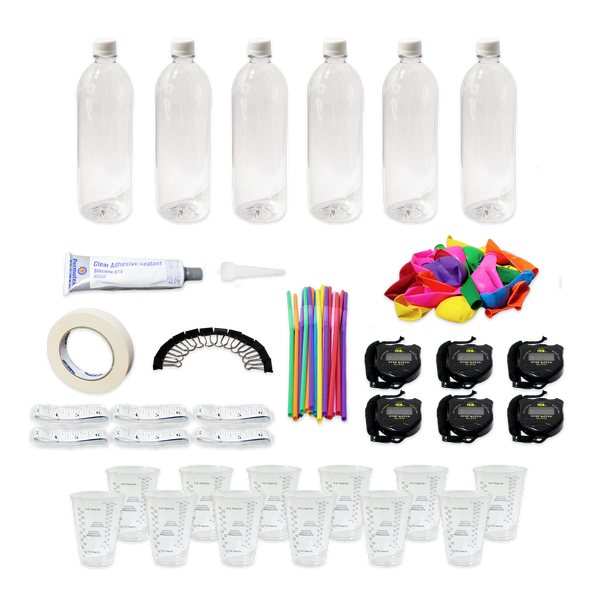
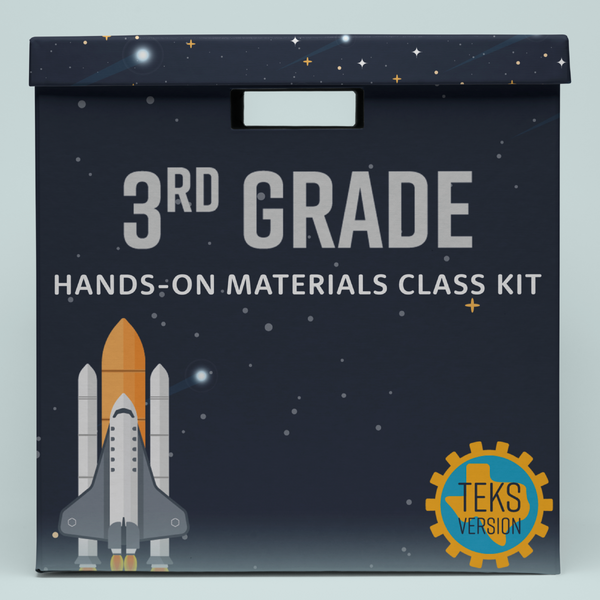
Investigation Kits
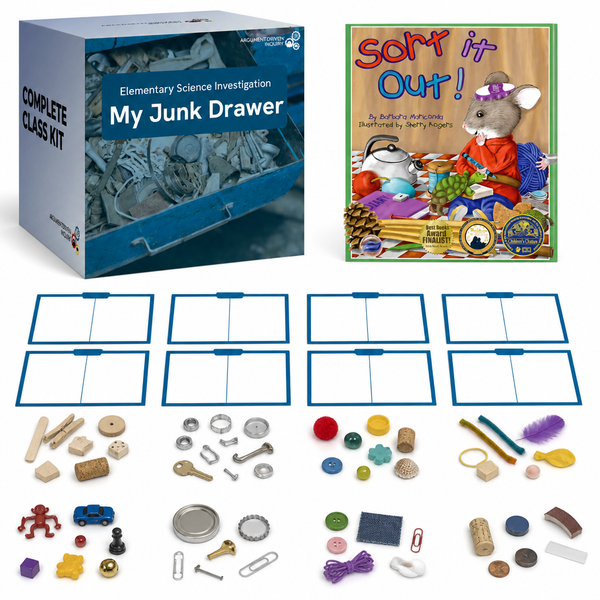
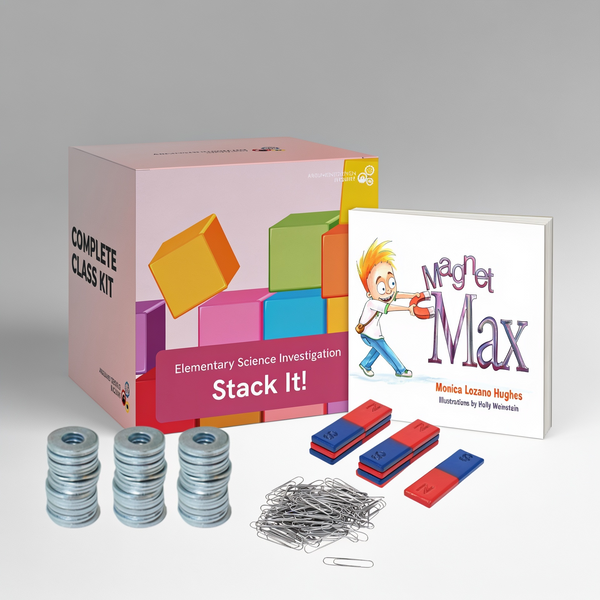
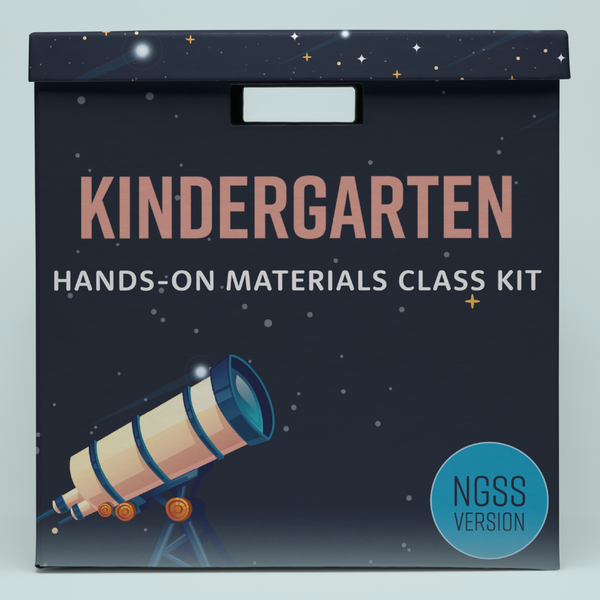
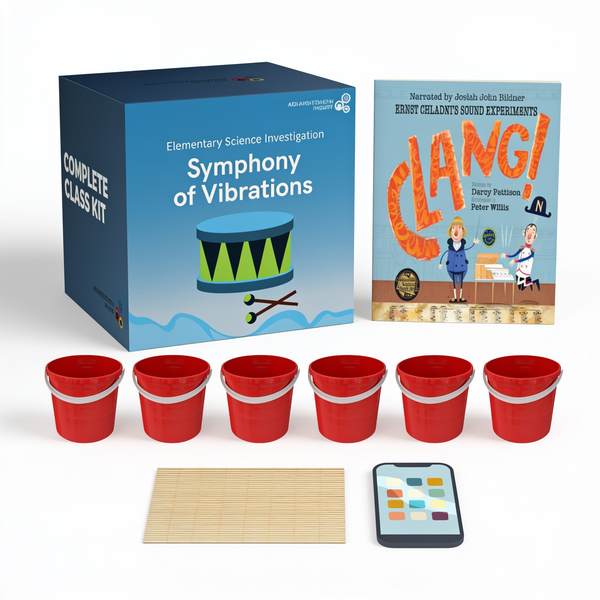
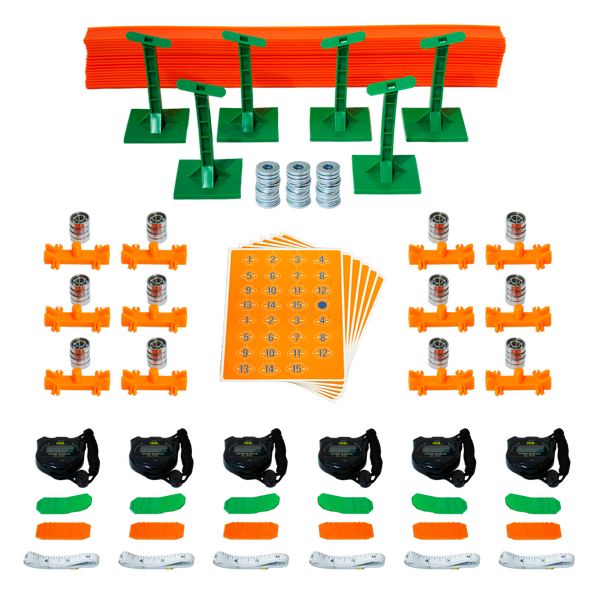
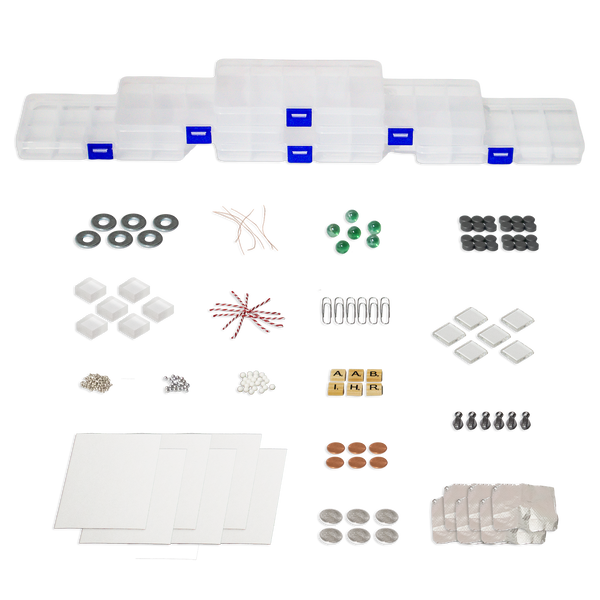
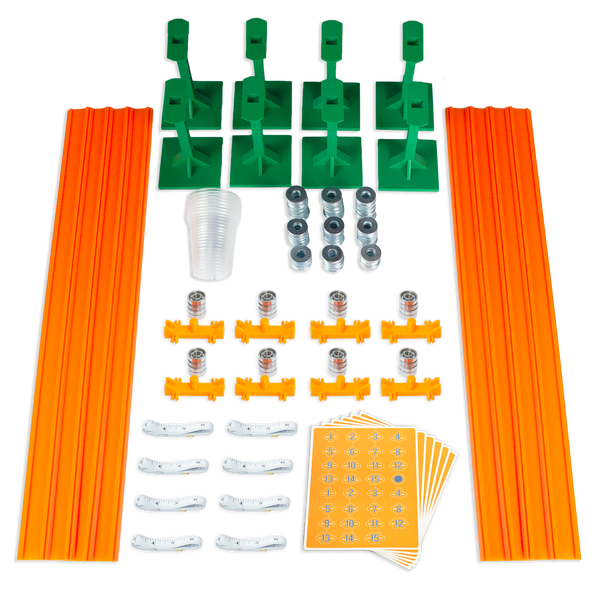
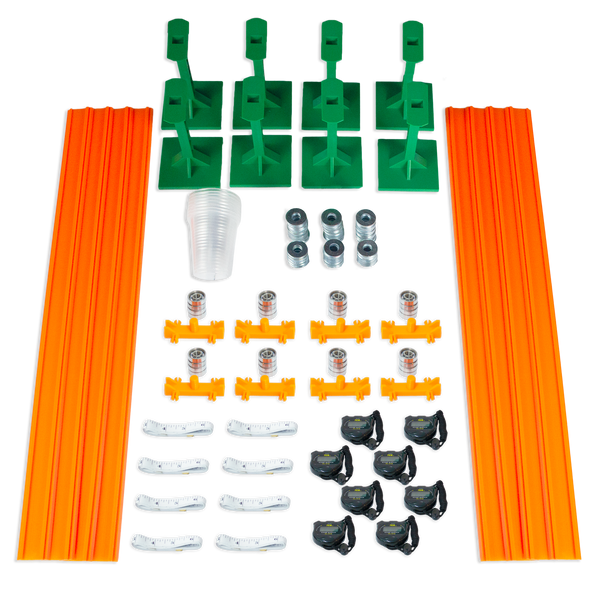
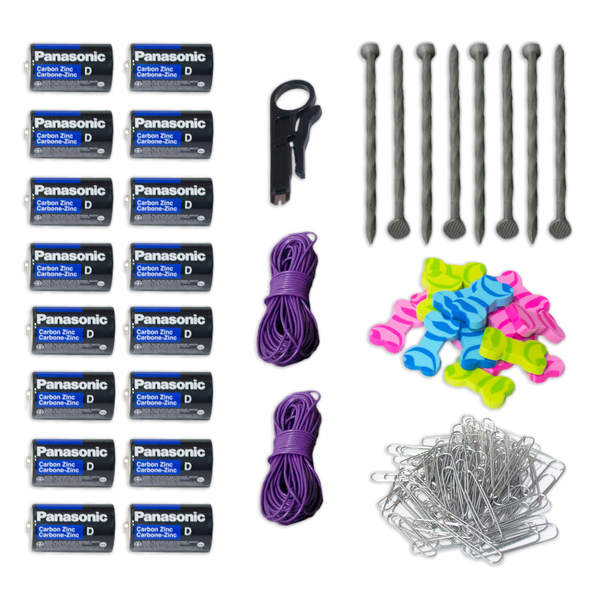
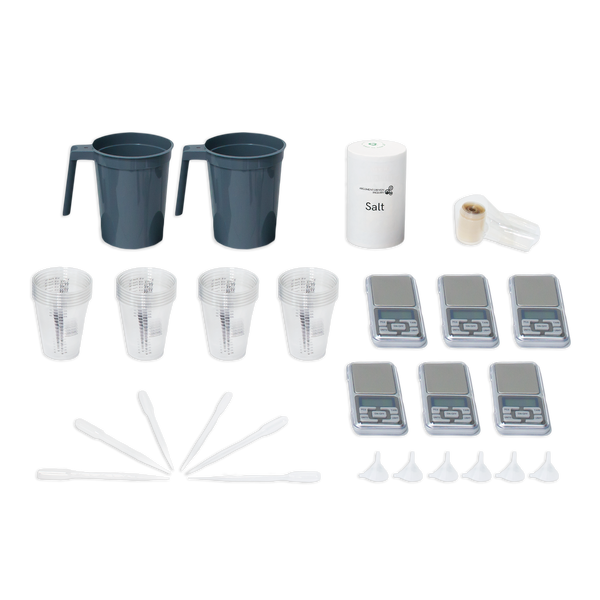
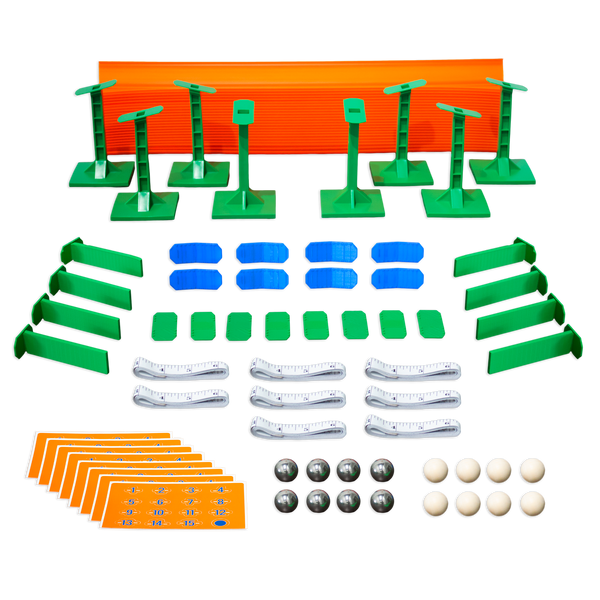
Pre-packed materials for every investigation, organized by class size and ready to use.
Browse kits →
Teacher Guides
Lesson plans, facilitation moves, and background support for every investigation.
Browse teacher guides →
Student Workbooks
Full-color consumable workbooks with the handouts, data tables, and writing support students use throughout.
Browse workbooks →
Learning Hub
A presentation tool with the phenomenon videos, plus digital versions and scoring tools.
Explore the Learning Hub →