



Three-dimensional assessment
Phenomenon-Driven Tasks™
Short, 30-minute tasks that uncover how students think. Each one is built around a real phenomenon: students answer a question, then explain their reasoning in words or a drawing, so you see the thinking behind the answer. Every task is three-dimensional and aligned to NGSS or Texas TEKS.
Shop now
Shop tasks by grade band
Pick your grade band, or keep scrolling to see how a task works.
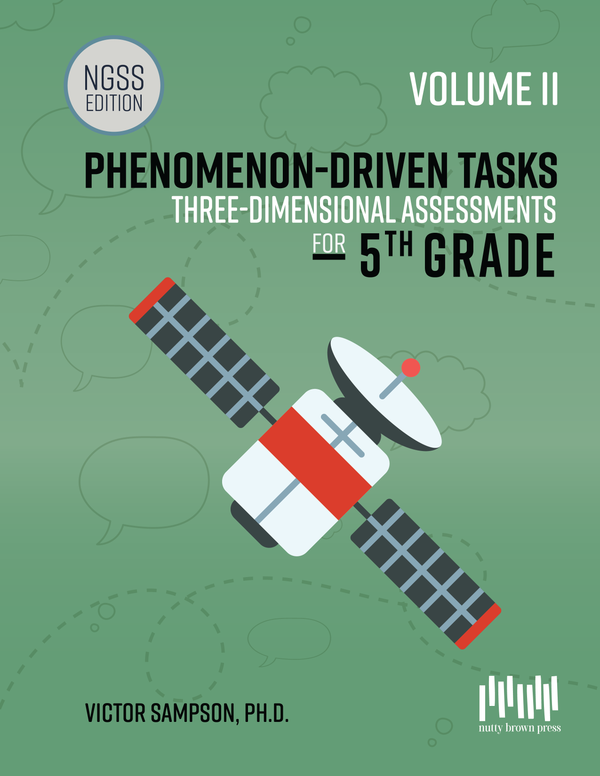
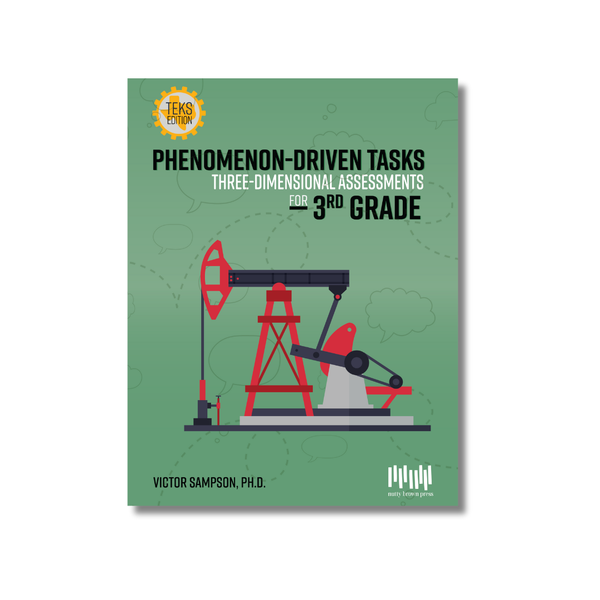
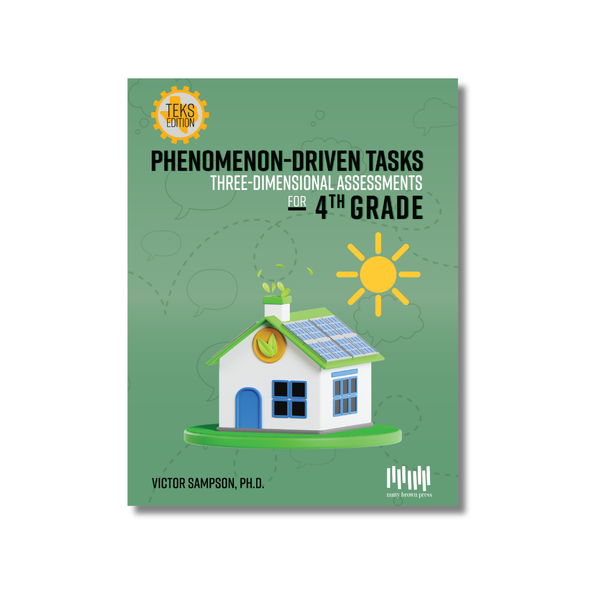
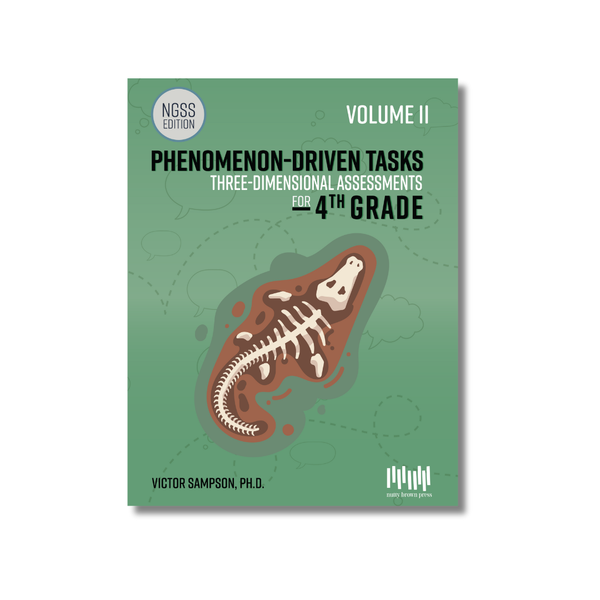
Phenomenon-Driven Tasks for 5th Grade (Texas Edition): Student Workbooks, Pack of 6
Phenomenon-Driven Tasks for 3rd Grade (Texas Edition): Student Workbooks, Pack of 6
Phenomenon-Driven Tasks for 4th Grade (Texas Edition): Student Workbooks, Pack of 6

Phenomenon-Driven Tasks for 3rd Grade Science NGSS, Vol. 1 Student Workbooks (Pack of 6)
Phenomenon-Driven Tasks for 3rd Grade Science, NGSS: Vol. 2 Student Workbooks (Pack of 6)
Phenomenon-Driven Tasks for 5th Grade Science, NGSS: Vol. 2 Student Workbooks (Pack of 6)
Phenomenon-Driven Tasks for 5th Grade Science, NGSS: Vol. 1 Student Workbooks (Pack of 6)
Phenomenon-Driven Tasks for 4th Grade Science, NGSS: Vol. 1 Student Workbooks (Pack of 6)
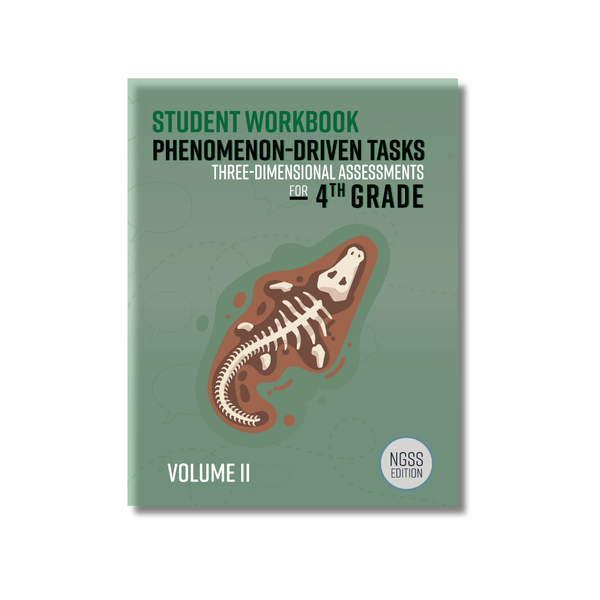
Phenomenon-Driven Tasks for 4th Grade Science, NGSS: Vol. 2 Student Workbooks (Pack of 6)
How PDTs work
One task, three ways to use it
Each task takes about 30 minutes and blurs the line between instruction and assessment. The same phenomenon-driven task works as a diagnostic before a unit, a teaching tool during it, and a summative measure at the end.
See one in action
What a task looks like
Here is a grade 3 task on patterns of motion. Every task pairs a choice with a reason, so you see the thinking behind the answer.
Marble on a Curved Track
Students watch a short video of a marble rolling onto a curved track, then figure out how to predict where it will change direction when it starts from a different spot.
If the marble is released from a lower point, where will it first change direction?
Put the steps of the test in the order you would do them.
The reason lines are the point. A right answer alone can hide a misconception; the explanation shows how a student is actually thinking.
What's in every task
Everything you need to give, teach with, and score the task.